
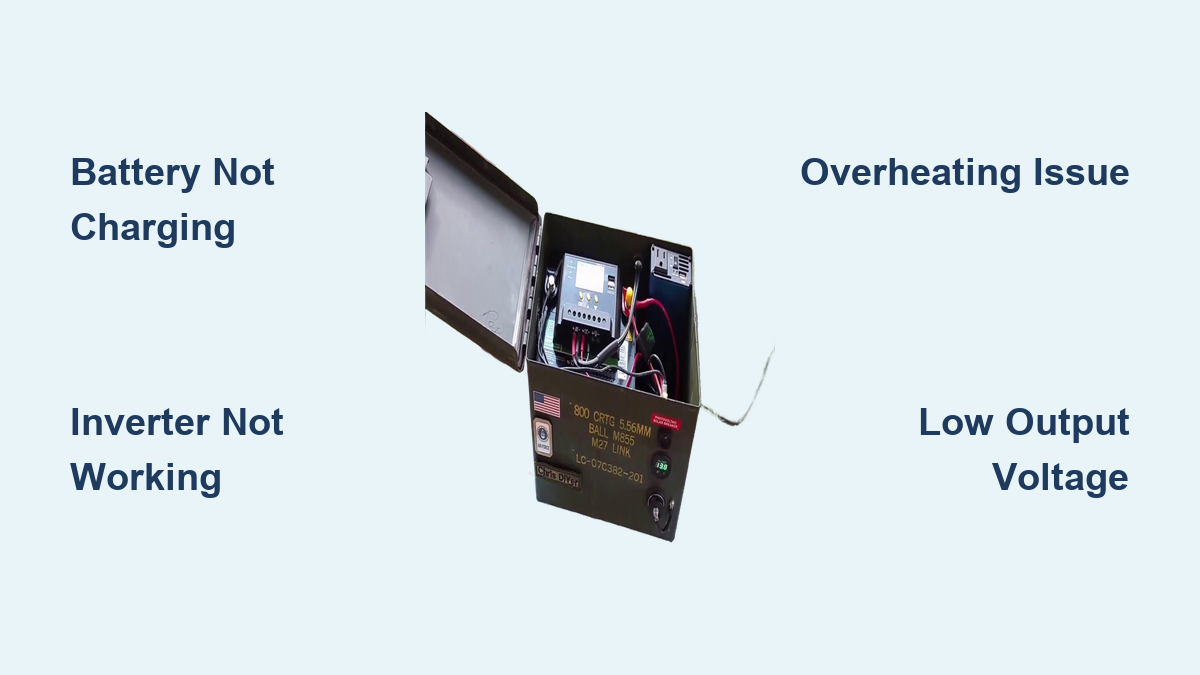
Finding reliable, portable power can be challenging, especially during emergencies or outdoor adventures. An ammo can solar generator provides a rugged, self-contained power solution. If you’re looking for a DIY project that delivers dependable off-grid power, you’ve come to the right place. This guide will walk you through building your own ammo can solar generator, offering a practical and cost-effective alternative to commercially available options.
Building a solar generator might seem daunting, but with the right information and a little effort, you can create a powerful and portable energy source. This comprehensive guide will cover everything from selecting components to assembling and testing your finished product, ensuring you have a reliable power supply whenever and wherever you need it. We’ll start with a quick overview of the essential components, then dive into a step-by-step build process, finishing with troubleshooting and maintenance tips.
What You’ll Need for Ammo Can Solar Generator Build
| Item | Quantity | Specifications |
|---|---|---|
| Ammo Can | 1 | Standard military surplus .50 caliber ammo can (approx. 18″ x 6″ x 6″) |
| 12V Battery | 1 | Sealed Lead Acid (SLA) or Lithium Iron Phosphate (LiFePO4) – 30Ah to 50Ah recommended |
| Solar Charge Controller | 1 | MPPT (Maximum Power Point Tracking) 20A-30A recommended |
| Pure Sine Wave Inverter | 1 | 300W-600W, 12V DC to 120V AC |
| Solar Panel | 1-2 | 100W-200W foldable or rigid solar panel |
| Fuses & Fuse Holders | Assorted | Various amperage ratings for battery, inverter, and solar input |
| Wiring | Various | 10AWG – 14AWG stranded copper wire |
| Ring Terminals | Assorted | For connecting to battery terminals |
| XT60 Connectors | 1 pair | For connecting solar panel to charge controller |
| Voltmeter/Ammeter | 1 | Digital multimeter for testing and monitoring |
| Switch | 1 | On/Off switch for the inverter |
| Ventilation Fan | 1 | 12V DC, small size for cooling |
| Cable Glands | 2-3 | For routing wires through the ammo can |
| Mounting Hardware | Assorted | Screws, bolts, nuts for securing components |
| Drill & Drill Bits | 1 set | For creating mounting holes |
| Screwdrivers & Wrenches | 1 set | For assembly |
Preparing Your Ammo Can and Components

Before you start assembling, proper preparation is key.
Safety First
- Disconnect Power: Always disconnect the battery before working on any wiring.
- Ventilation: Ensure adequate ventilation inside the ammo can to prevent overheating, especially when charging.
- Fuse Protection: Use appropriately sized fuses to protect against short circuits and overloads.
- Battery Safety: Follow the manufacturer’s safety guidelines for your chosen battery type. LiFePO4 batteries are generally safer but still require caution.
Ammo Can Modification
- Drill Holes: Carefully drill holes in the ammo can for the following:
* Cable glands for solar panel and AC output cables.
* Ventilation fan mounting.
* Switch mounting.
* Mounting points for the charge controller and inverter (consider using standoffs). - Deburr Holes: Use a deburring tool or sandpaper to smooth the edges of the drilled holes.
- Clean Interior: Wipe down the interior of the ammo can to remove any debris or residue.
Step-by-Step Assembly Process
Phase 1: Battery Installation
- Mount Battery: Securely mount the battery inside the ammo can. Consider using foam padding or a battery hold-down strap to prevent movement.
- Connect Ring Terminals: Attach ring terminals to the battery cables.
- Fuse Installation (Battery Positive): Install an inline fuse holder with the appropriate amperage fuse on the positive battery cable. This is crucial for safety.
Phase 2: Charge Controller Wiring
- Mount Charge Controller: Securely mount the charge controller inside the ammo can, ensuring adequate ventilation.
- Connect Battery: Connect the battery positive and negative cables to the corresponding terminals on the charge controller.
- Connect Solar Panel: Connect the solar panel to the charge controller using XT60 connectors and appropriate wiring. Ensure correct polarity.
- Connect Load (Inverter): Connect the charge controller’s load output to the inverter’s positive and negative terminals. Note: Some controllers do not have a load output, in which case connect the inverter directly to the battery.
Phase 3: Inverter and Switch Installation
- Mount Inverter: Securely mount the inverter inside the ammo can, ensuring adequate ventilation.
- Connect Inverter to Battery: Connect the inverter’s positive and negative cables directly to the battery (or through the charge controller’s load output if available).
- Install Switch: Wire an on/off switch in series with the inverter’s positive cable to allow for easy power control.
- AC Outlet: Install an AC outlet on the exterior of the ammo can, wiring it to the inverter’s AC output. Use a cable gland to seal the cable entry.
Phase 4: Ventilation & Final Connections
- Install Ventilation Fan: Mount the ventilation fan to the drilled hole and wire it to the battery. The fan should blow air out of the ammo can to remove heat.
- Secure Wiring: Neatly organize and secure all wiring inside the ammo can using zip ties or cable management sleeves.
- Double-Check Connections: Carefully review all connections to ensure they are secure and properly polarized.
Post-Completion Testing and Troubleshooting
Initial Testing
- Voltage Check: Use a multimeter to verify the battery voltage and the output voltage of the charge controller and inverter.
- Solar Charging Test: Connect the solar panel and expose it to sunlight. Verify that the charge controller is charging the battery.
- Load Test: Connect a small appliance (e.g., a phone charger or LED light) to the inverter and ensure it powers on correctly.
- Heat Monitoring: Monitor the temperature inside the ammo can during charging and discharging. Ensure the ventilation fan is effectively dissipating heat.
Troubleshooting
- Inverter Not Working: Check the inverter’s fuse, battery voltage, and switch.
- Battery Not Charging: Verify solar panel connection, charge controller settings, and battery health.
- Overheating: Ensure adequate ventilation and consider using a larger ventilation fan.
- Low Output Voltage: Check wiring connections and ensure the inverter is receiving sufficient power from the battery.
Pro Tips for Your Ammo Can Solar Generator
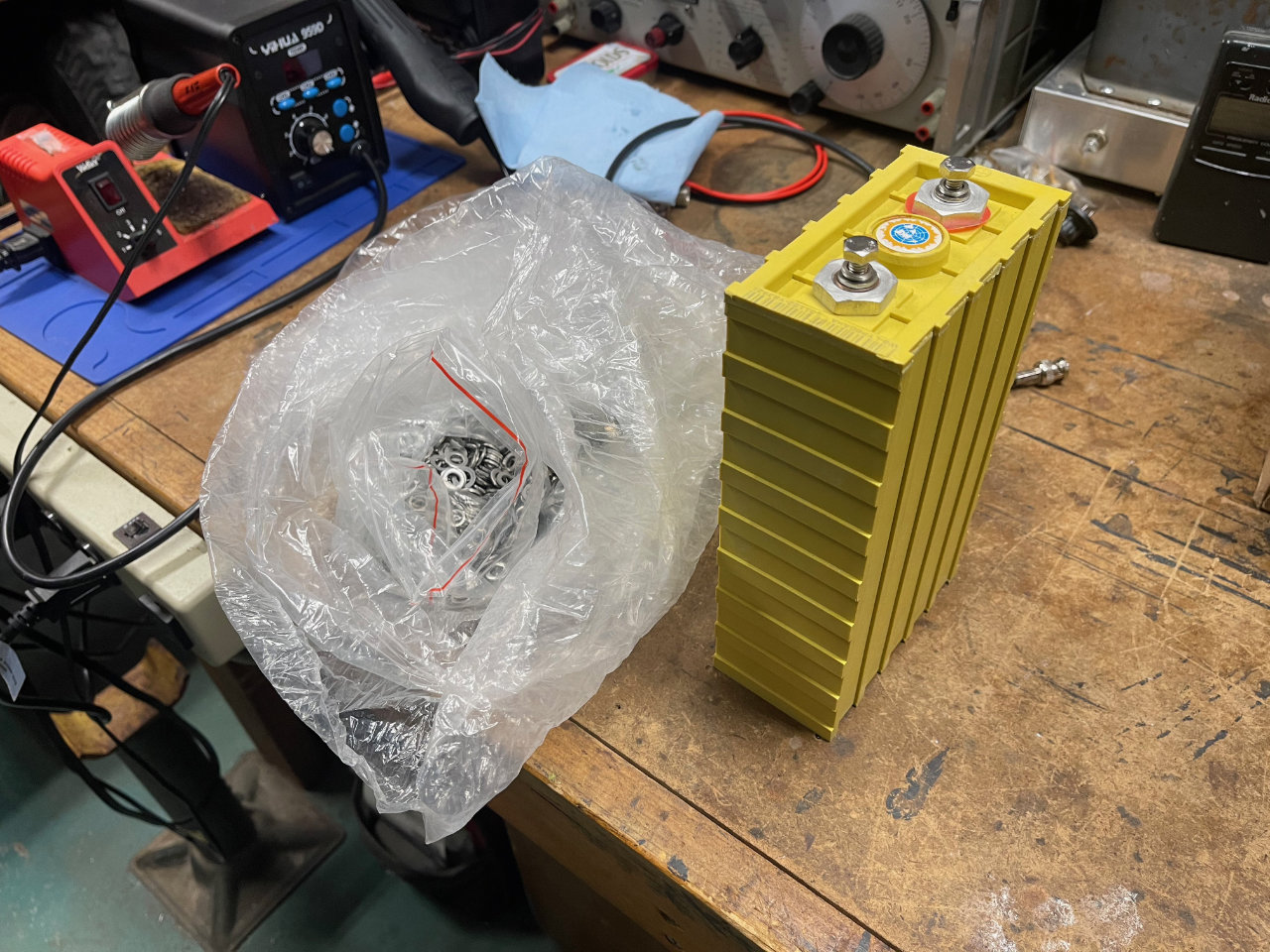
- LiFePO4 Batteries: Consider using LiFePO4 batteries for longer lifespan, higher energy density, and improved safety.
- MPPT Charge Controller: Invest in an MPPT charge controller for maximum solar energy harvesting efficiency.
- Anderson Powerpoles: Use Anderson Powerpoles for reliable and easy connections.
- Battery Monitoring System: Add a battery monitoring system to track battery voltage, current, and state of charge.
- Weatherproofing: Seal all cable entry points with silicone sealant to prevent moisture ingress.
- Labeling: Clearly label all components and connections for easy troubleshooting.
- Regular Maintenance: Periodically inspect wiring, connections, and battery health.
Professional Help Section
If you’re uncomfortable with electrical wiring or battery handling, consider seeking professional assistance. A qualified electrician can ensure the system is installed safely and correctly.
- Cost of Professional Installation: $100 – $300 (depending on complexity)
- Finding a Qualified Electrician: Search online directories or ask for recommendations from friends or family.
FAQ Section
Q: What size solar panel should I use?
A: The optimal solar panel size depends on your power needs and available sunlight. A 100W-200W panel is a good starting point for most portable applications.
Q: What type of battery is best?
A: LiFePO4 batteries are recommended for their safety, longevity, and performance, but SLA batteries are a more affordable option.
Q: How long will the generator run on a full charge?
A: The runtime depends on the battery capacity and the power draw of the connected devices. A 50Ah battery can typically power a 300W load for several hours.
Q: Can I charge the battery from a wall outlet?
A: Yes, you can use a separate battery charger to charge the battery from a wall outlet.
Q: How do I protect the generator from the elements?
A: The ammo can provides basic protection, but consider adding a waterproof cover or storing the generator in a dry location.
Get Your Ammo Can Solar Generator Working Again
You’ve now learned how to build a reliable and portable solar generator from an ammo can. Remember these key steps:
– Careful component selection
– Safe and secure wiring practices
– Thorough testing and troubleshooting
Don’t let power outages or off-grid adventures catch you unprepared. Build your ammo can solar generator today and enjoy the peace of mind that comes with having a dependable power source at your fingertips.
Share your build experience and any modifications you made in the comments below!