

Are you considering a Jackery portable power station and wondering about the battery technology it uses? It’s a valid question, as battery type significantly impacts lifespan, safety, and performance. Many users are specifically looking for LiFePO4 (Lithium Iron Phosphate) batteries due to their benefits, and understanding if Jackery utilizes this technology is crucial for making an informed purchase. The short answer is yes, Jackery now incorporates LiFePO4 batteries in select models, representing a significant upgrade in their product line.
This comprehensive guide will delve into the details of Jackery’s battery technology, explain the advantages of LiFePO4, identify which Jackery models feature this battery type, and compare it to the older lithium-ion technology. By the end of this article, you’ll have a clear understanding of Jackery’s battery choices, helping you determine the best power station for your needs.
Understanding LiFePO4 vs. Lithium-Ion Batteries
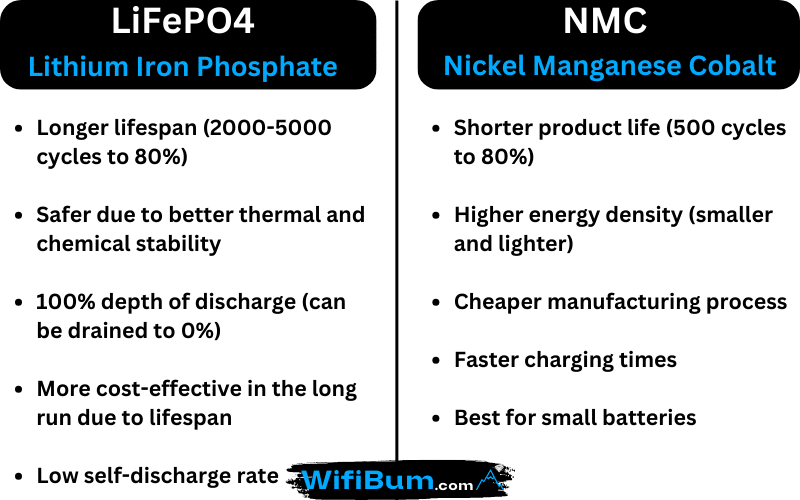
Before diving into Jackery specifics, it’s essential to understand the difference between LiFePO4 and traditional lithium-ion batteries.
Lithium-Ion Batteries (NMC)
Most older portable power stations, including some earlier Jackery models, used Lithium Nickel Manganese Cobalt Oxide (NMC) batteries. These batteries offer high energy density – meaning they can store a lot of power for their size – and are relatively affordable. However, they have drawbacks:
- Shorter Lifespan: Typically 500-1000 cycles to 80% capacity.
- Thermal Runaway Risk: More prone to overheating and potential fire hazards.
- Degradation: Performance degrades more quickly with each charge/discharge cycle.
LiFePO4 Batteries
LiFePO4 batteries are a newer lithium-ion chemistry that addresses many of the shortcomings of NMC batteries. They are gaining popularity for energy storage applications because of:
- Extended Lifespan: Can last 2,000-4,000+ cycles to 80% capacity.
- Enhanced Safety: Significantly more stable and less prone to thermal runaway.
- Thermal Stability: Operate safely in a wider temperature range.
- Improved Cycle Life: Retain capacity for a longer period.
- Environmentally Friendly: Don’t contain nickel or cobalt, making them more sustainable.
Jackery Models Featuring LiFePO4 Batteries
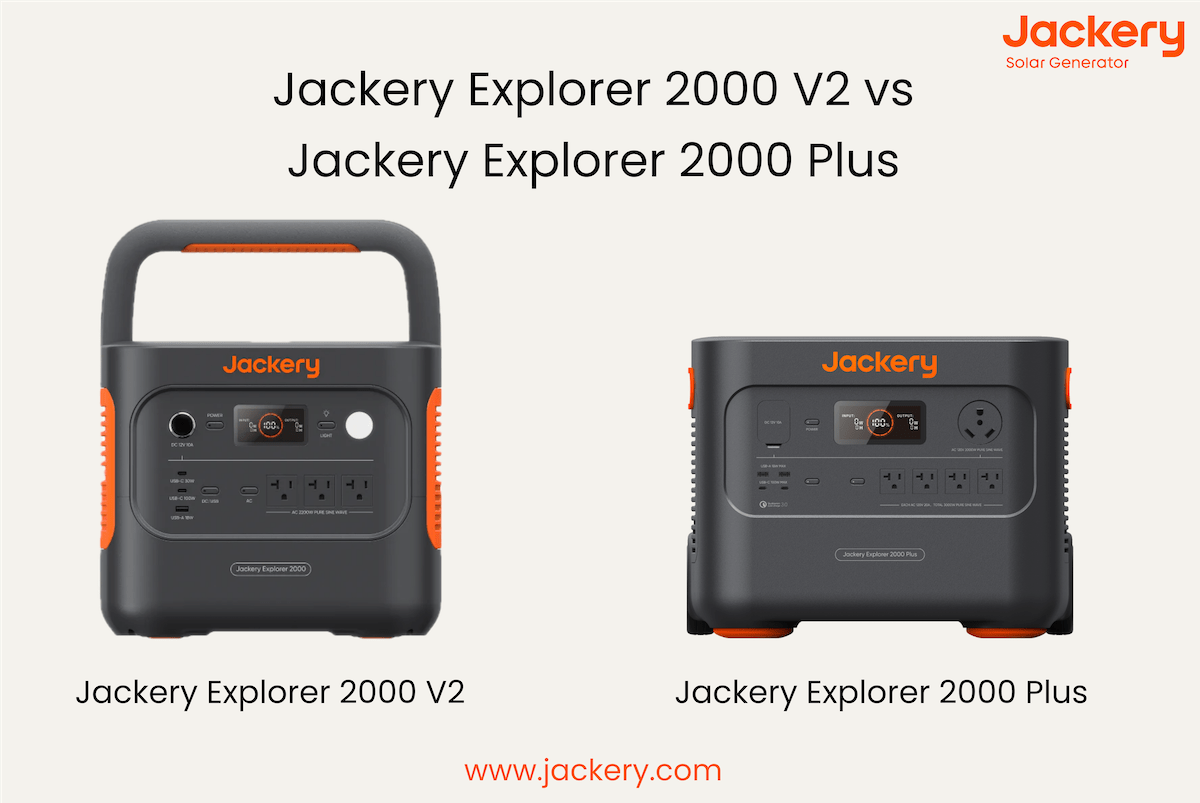
Jackery began transitioning to LiFePO4 batteries in their Explorer and River Pro series. Here’s a breakdown of which models currently use this technology (as of late 2024/early 2025):
- Explorer 2000 Plus: Equipped with a LiFePO4 battery, offering exceptional longevity and safety.
- Explorer 1000 Plus: Also utilizes LiFePO4 technology.
- River 2 Pro: This model boasts a LiFePO4 battery for improved performance and lifespan.
- River 2 Max: Features the robust LiFePO4 chemistry.
- River 3 Series (River 3, River 3 Plus): Utilizes LiFePO4 batteries across the entire series.
Important Note: Older Jackery models like the Explorer 500, Explorer 1000 (original), and River 600 utilize the older NMC lithium-ion batteries. Always check the product specifications before purchasing to confirm the battery type.
How to Identify if a Jackery Model Uses LiFePO4
It can be tricky to determine the battery type just by looking at the power station. Here’s how to confirm:
- Check the Product Specifications: The most reliable method. Visit the official Jackery website or the retailer’s product page and look for “Battery Type” in the specifications. It will explicitly state “LiFePO4” or “Lithium Iron Phosphate.”
- Model Number: Models ending in “Plus” or belonging to the River 3 series almost always use LiFePO4.
- Packaging: The packaging might indicate LiFePO4 battery technology.
- Customer Support: Contact Jackery’s customer support and provide the model number for confirmation.
Comparing Jackery Models: LiFePO4 vs. Lithium-Ion
| Feature | Lithium-Ion (NMC) – Older Models | LiFePO4 – Newer Models |
|---|---|---|
| Battery Type | Lithium Nickel Manganese Cobalt Oxide | Lithium Iron Phosphate |
| Lifespan (Cycles to 80%) | 500-1000 | 2,000-4,000+ |
| Safety | Moderate; risk of thermal runaway | Excellent; highly stable |
| Weight | Generally lighter | Slightly heavier |
| Cost | Typically less expensive | Typically more expensive upfront |
| Temperature Tolerance | Lower | Higher |
| Models (Examples) | Explorer 500, Explorer 1000 (original), River 600 | Explorer 2000 Plus, Explorer 1000 Plus, River 2 Pro, River 2 Max, River 3 Series |
Maintaining Your Jackery LiFePO4 Battery
While LiFePO4 batteries are more durable, proper maintenance can maximize their lifespan:
- Avoid Full Discharges: LiFePO4 batteries don’t need to be fully discharged before recharging. In fact, deep discharges can slightly reduce their lifespan.
- Store at Partial Charge: When storing for extended periods, keep the battery around 50-60% charge.
- Avoid Extreme Temperatures: Don’t expose the power station to extreme heat or cold during use or storage.
- Use the Correct Charger: Always use the Jackery-supplied charger.
- Software Updates: Keep the power station’s firmware up to date for optimal battery management.
Pro Tips for Jackery Users
- Consider Your Use Case: If you need a power station for infrequent use, a lithium-ion model might suffice. For frequent use, camping, or off-grid living, the investment in a LiFePO4 model is worthwhile.
- Monitor Battery Health: Jackery’s app allows you to monitor battery health and usage.
- Optimize Charging: Avoid leaving the power station plugged in constantly once fully charged.
- Understand Warranty: Familiarize yourself with Jackery’s warranty terms for battery coverage.
Professional Help Section
- When to seek professional help: If your Jackery power station experiences significant physical damage, overheating, or fails to power devices despite a full charge, contact Jackery support or a qualified repair technician.
- Finding a service provider: Jackery’s website lists authorized service centers.
- Typical cost ranges: Repair costs vary depending on the issue, but battery replacements can be significant.
FAQ Section
Q: Is LiFePO4 battery better for the environment?
A: Yes, LiFePO4 batteries don’t contain nickel or cobalt, which are associated with environmental and ethical concerns in mining processes.
Q: Can I upgrade the battery in my older Jackery model?
A: Generally, no. Jackery power stations are designed with specific battery configurations, and upgrading isn’t typically possible or recommended.
Q: How long will a LiFePO4 Jackery battery last?
A: With proper care, a LiFePO4 Jackery battery can last for 2,000-4,000+ cycles, potentially providing 10+ years of reliable service.
Q: What is the optimal charge level for long-term storage of a LiFePO4 Jackery?
A: 50-60% charge is recommended for long-term storage.
Get Your Jackery Working for Years to Come
Jackery’s transition to LiFePO4 batteries is a positive step, offering users increased safety, longevity, and peace of mind. By understanding the differences between battery technologies and choosing the right model for your needs, you can maximize your investment and enjoy reliable power for years to come.
Have you recently upgraded to a Jackery model with a LiFePO4 battery? Share your experiences and thoughts in the comments below! We’d love to hear how it’s working for you.