
Are you frustrated with not knowing the best way to store your EcoFlow battery for long periods? Many EcoFlow users struggle with maintaining battery health when not in use, leading to reduced capacity and lifespan. The good news is that proper storage can prevent these issues – and it’s simpler than you might think.
This comprehensive guide will walk you through everything you need to know about storing your EcoFlow battery, from the ideal state of charge to temperature considerations and long-term maintenance. We’ll cover best practices for all EcoFlow models, ensuring your power station remains ready when you need it most, and maximizing its lifespan for years to come.
Understanding EcoFlow Battery Storage Needs
EcoFlow batteries, like all lithium-ion batteries, require specific storage conditions to maintain optimal health. Improper storage can lead to voltage sag, capacity loss, and even permanent damage. Here’s a breakdown of the key factors:
Why Proper Storage Matters
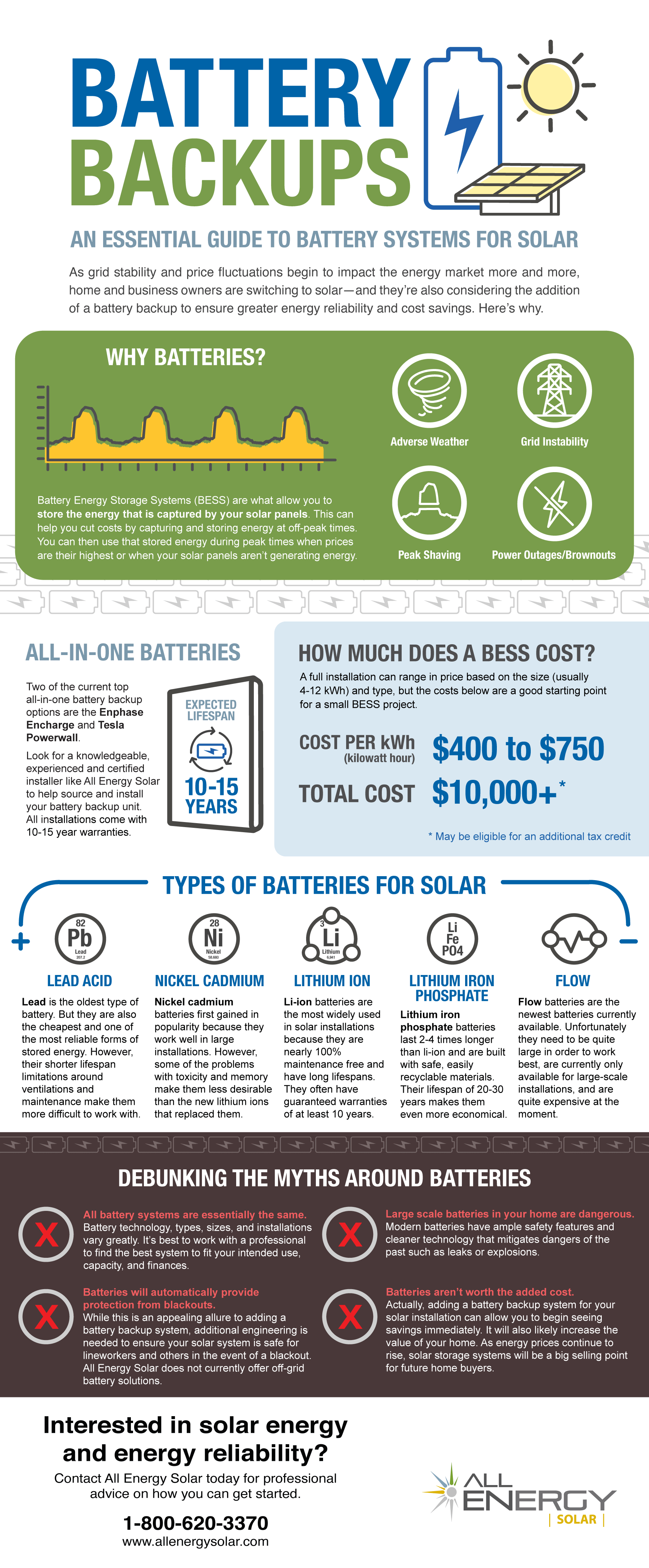
- Prevents Degradation: Lithium-ion batteries degrade over time, even without use. Proper storage slows this process.
- Maintains Capacity: Correct storage ensures your battery retains its full charging capacity.
- Extends Lifespan: Following best practices significantly extends the overall lifespan of your EcoFlow battery.
- Safety Considerations: Improper storage can pose safety risks, though rare, it’s important to be aware.
Ideal State of Charge for Storage
The most crucial aspect of EcoFlow battery storage is maintaining the correct state of charge (SoC). EcoFlow recommends storing batteries at around 40-60% SoC for extended periods. Storing at 100% or 0% can accelerate degradation.
EcoFlow Battery Storage: Step-by-Step Guide
Here’s a detailed process for preparing your EcoFlow battery for long-term storage:
Step 1: Discharge or Charge to Optimal Level
Use the EcoFlow app to check the current SoC of your battery.
* If above 60%: Use the battery to power devices or discharge it gradually until it reaches 40-60%. Avoid rapid discharging.
* If below 40%: Charge the battery to 40-60% using the provided AC adapter or solar charging.
Step 2: Power Off the Unit
Once the battery is at the correct SoC, completely power off your EcoFlow unit. This minimizes self-discharge. Ensure all connected devices are disconnected.
Step 3: Optimal Storage Temperature
Temperature plays a vital role in battery health.
* Ideal Temperature: 15°C to 25°C (59°F to 77°F) is the optimal range.
* Avoid Extremes: Do not store the battery in direct sunlight, in a hot car, or in freezing temperatures.
* Temperature Impact: High temperatures accelerate degradation, while freezing temperatures can cause permanent damage.
Step 4: Storage Location
Choose a dry, well-ventilated storage location that meets the temperature requirements.
* Indoor Storage: A cool, dry closet or basement is ideal.
* Avoid Humidity: Protect the battery from moisture.
* Keep Away from Flammables: Store away from flammable materials.
Long-Term Storage Maintenance
Even when stored correctly, EcoFlow batteries require periodic maintenance to ensure they remain in optimal condition.
Regular Check-Ups (Every 3-6 Months)
- Check SoC: Use the EcoFlow app to monitor the SoC. It will naturally decline over time due to self-discharge.
- Recharge if Necessary: If the SoC drops below 40%, recharge the battery back to 40-60%.
- Visual Inspection: Inspect the unit for any signs of damage, such as swelling or leaks (extremely rare, but important to check). If you find any damage, discontinue use and contact EcoFlow support.
Self-Discharge Rate
EcoFlow batteries exhibit a natural self-discharge rate, meaning they will lose charge even when powered off. The rate varies depending on the model and temperature, but you can expect a loss of approximately 1-3% per month.
EcoFlow Model Specific Storage Considerations
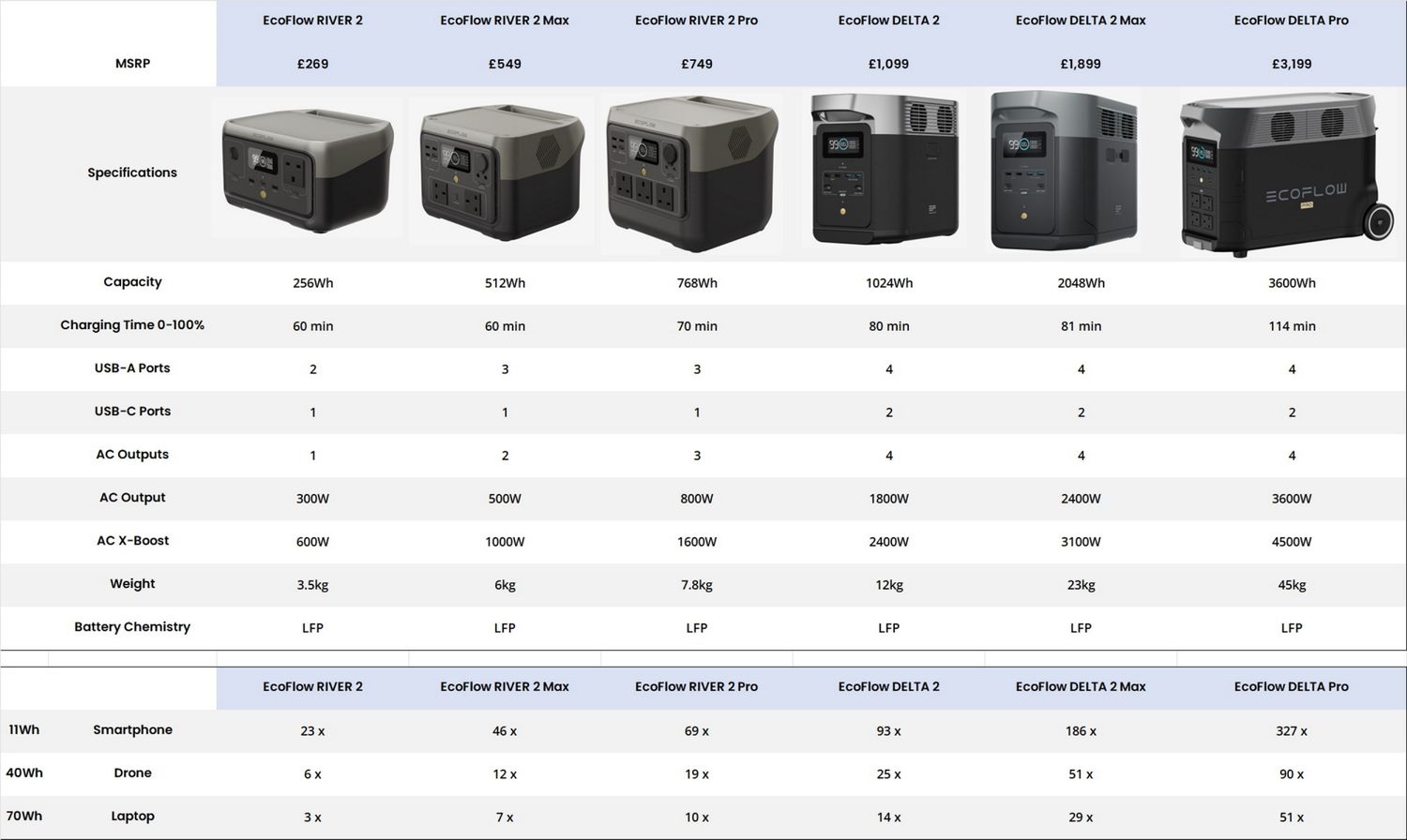
While the general guidelines apply to all EcoFlow units, here are some specific notes for popular models:
| EcoFlow Model | Specific Notes |
|---|---|
| River/River 2 Series | Easily monitored via the app. Smaller size makes finding a suitable storage location easier. |
| Delta/Delta 2 Series | Higher capacity means a slower self-discharge rate. |
| Delta Max Series | Monitor the individual battery expansion modules as well. |
| PowerLife Series | Suitable for extended storage due to LiFePO4 chemistry, but still follow SoC guidelines. |
Pro Tips for EcoFlow Battery Storage
- Use the EcoFlow App: The app is your best friend for monitoring and managing your battery’s health.
- Avoid Complete Discharge: Never let the battery completely discharge during storage.
- Don’t Store Fully Charged: Storing at 100% SoC significantly accelerates degradation.
- Consider a Smart Plug: Use a smart plug to schedule periodic recharges if you anticipate long-term storage.
- Document Storage Date: Keep a record of when you placed the battery into storage for tracking maintenance.
When to Seek Professional Help
While most storage issues can be resolved with proper care, here are signs that professional assistance may be needed:
- Swelling or Leaking: Any physical deformation or leakage is a serious concern.
- Inability to Charge: If the battery refuses to charge despite following the guidelines.
- Significant Capacity Loss: A sudden and substantial drop in capacity.
- Error Messages: Persistent error messages displayed on the EcoFlow app.
Contact EcoFlow support or a qualified technician for assistance.
FAQ
Q: Can I store my EcoFlow battery outdoors?
A: No, storing outdoors is not recommended. Exposure to extreme temperatures and humidity can damage the battery.
Q: How long can I store my EcoFlow battery?
A: With proper storage, you can store an EcoFlow battery for up to a year without significant degradation. However, regular check-ups are still recommended.
Q: What happens if my EcoFlow battery completely discharges during storage?
A: A complete discharge can put the battery into a deep discharge state, which may require a special recovery process or render the battery unusable.
Q: Is it okay to trickle charge my EcoFlow battery during storage?
A: While not strictly necessary, a smart plug that periodically tops off the charge can help maintain the optimal 40-60% SoC.
Q: What is the best way to transport my EcoFlow battery?
A: Transport the battery at 40-60% SoC, powered off, and secured to prevent movement.
Keep Your EcoFlow Battery Ready to Go
By following these guidelines, you can ensure your EcoFlow battery remains in excellent condition, ready to provide reliable power whenever and wherever you need it. Don’t let improper storage compromise your investment – take the time to store it correctly, and enjoy years of dependable performance!
Have you found this guide helpful? Share your own EcoFlow storage tips in the comments below!