
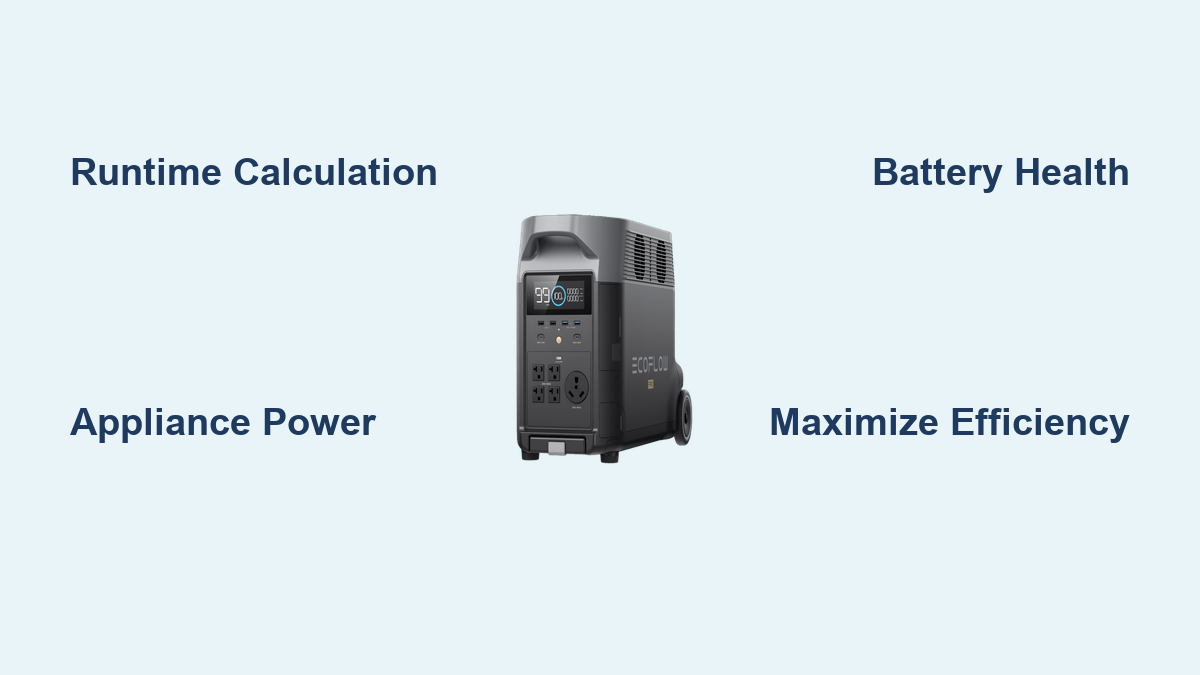
Running out of power during an outage or off-grid adventure is a frustrating experience. The EcoFlow Delta Pro, with its expandable capacity up to 30kWh, promises reliable backup power. But how long exactly can a 30kW Delta Pro system run your appliances? This comprehensive guide breaks down runtime estimations, factors affecting performance, and tips for maximizing your EcoFlow Delta Pro’s potential.
Many users are unsure of how to calculate runtimes and what to realistically expect from their EcoFlow Delta Pro. We’ll provide clear calculations and real-world examples, empowering you to confidently plan for any power situation. By the end of this article, you’ll understand precisely how long your 30kW EcoFlow Delta Pro can keep your essential devices running.
Understanding EcoFlow Delta Pro Capacity and Output
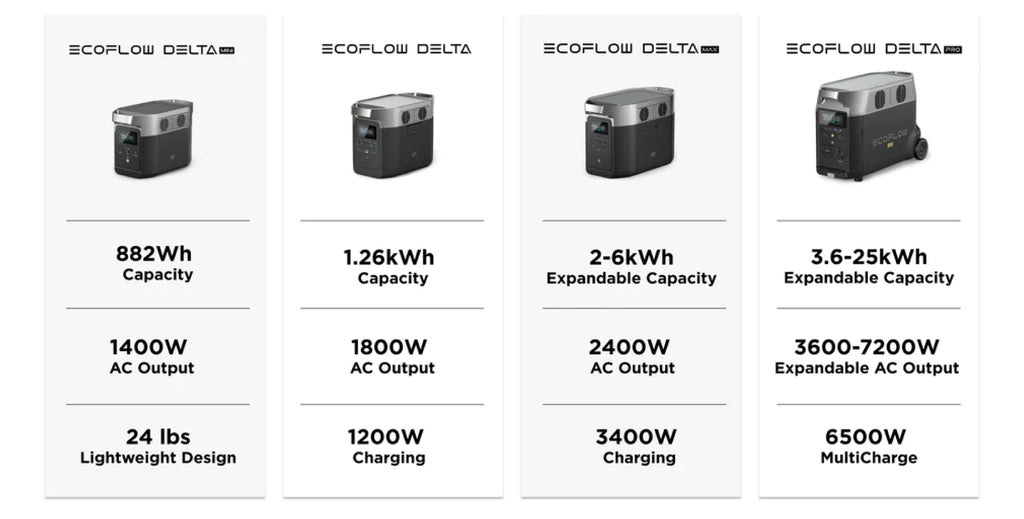
The EcoFlow Delta Pro isn’t a single unit. Achieving 30kWh requires combining multiple Delta Pro units and expandable batteries. Let’s clarify the components:
- Delta Pro Base Unit: 3.6kWh capacity, 3600W AC output (6000W with X-Boost)
- Expandable Battery: Adds 3.6kWh capacity per unit.
- Smart Generator: Provides a way to recharge the Delta Pro during extended outages.
- Maximum Capacity: Up to 30kWh with eight expandable batteries connected to a single Delta Pro.
A 30kWh system provides significantly more runtime than a single Delta Pro. However, the available power output is still limited by the base unit’s inverter, even with multiple batteries. While you can connect multiple Delta Pros in parallel to increase output, this guide focuses on a single Delta Pro base unit with maximum battery expansion.
Calculating Runtime: The Basics
Runtime is determined by two key factors:
- Total Usable Capacity: The total energy available in kWh. For a 30kWh system, this is roughly 30 kWh (allowing for some inverter inefficiency).
- Power Consumption of Appliances: Measured in Watts (W) or kilowatts (kW).
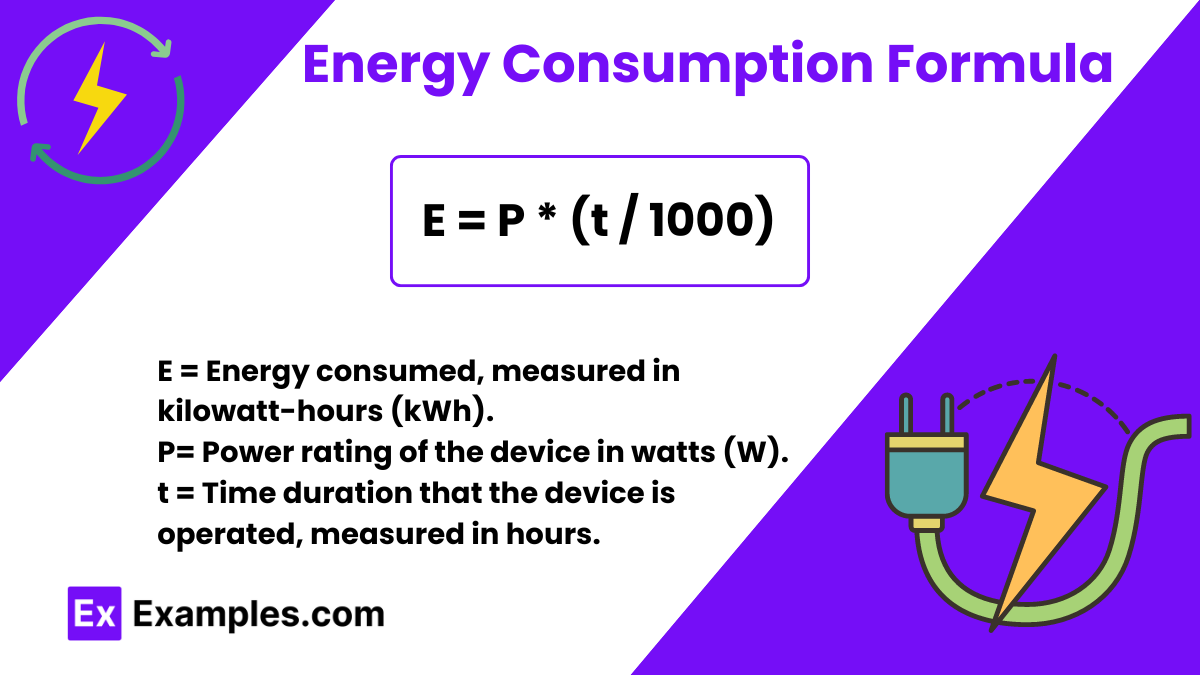
The Formula:
Runtime (hours) = Total Usable Capacity (kWh) / Total Appliance Power Consumption (kW)
Example: If you’re running a refrigerator (150W) and a laptop (60W), the total consumption is 210W or 0.21kW.
Runtime = 30 kWh / 0.21 kW = Approximately 142.86 hours.
This is a simplified calculation. We’ll explore more complex scenarios and real-world considerations below.
Common Appliance Runtimes with a 30kWh EcoFlow Delta Pro

Here’s a breakdown of estimated runtimes for common appliances. These are estimates and will vary based on appliance efficiency and usage patterns.
| Appliance | Power Consumption (Watts) | Estimated Runtime (Hours) |
|---|---|---|
| Refrigerator | 150W | 142.86 |
| Laptop | 60W | 250 |
| LED Lights (10 x 10W) | 100W | 150 |
| Smartphone Charger | 10W | 3000 |
| CPAP Machine | 60W | 250 |
| 55″ LED TV | 100W | 150 |
| Small Fan | 50W | 300 |
| Microwave (occasional use) | 1000W | 30 (assuming limited use) |
| Coffee Maker (occasional use) | 800W | 37.5 (assuming limited use) |
| Space Heater (1500W) | 1500W | 20 |
Factors Affecting Runtime
Several factors can significantly impact your EcoFlow Delta Pro’s runtime:
- Inverter Efficiency: Inverters aren’t 100% efficient. Some energy is lost during the conversion from DC (battery) to AC (appliance). Expect around 85-90% efficiency.
- Temperature: Extreme temperatures can reduce battery performance. Cold temperatures lower capacity, while high temperatures can accelerate degradation.
- Battery Age and Health: Batteries degrade over time. Older batteries will have reduced capacity.
- Appliance Efficiency: Newer, energy-efficient appliances consume less power.
- X-Boost Usage: While X-Boost provides extra starting power for high-wattage appliances, it reduces overall efficiency.
- Continuous vs. Intermittent Use: Appliances that cycle on and off (like refrigerators) will consume less energy than those running continuously.
Maximizing Runtime: Pro Tips
Here’s how to get the most out of your 30kWh EcoFlow Delta Pro:
- Prioritize Essential Loads: Identify the most critical appliances and only run those during an outage.
- Use Energy-Efficient Appliances: Replace older appliances with energy-star rated models.
- Reduce Phantom Loads: Unplug devices that aren’t in use to eliminate standby power consumption.
- Optimize Temperature: Keep the Delta Pro in a cool, dry environment.
- Avoid X-Boost Unless Necessary: Use X-Boost only when starting high-wattage appliances.
- Monitor Power Consumption: Use the EcoFlow app to track energy usage and identify areas for improvement.
- Consider a Smart Generator: A Smart Generator can automatically recharge the Delta Pro during extended outages, providing virtually unlimited runtime.
Troubleshooting Runtime Issues
If your Delta Pro isn’t running as long as expected:
- Check Total Power Consumption: Accurately calculate the wattage of all connected appliances.
- Verify Battery Health: Use the EcoFlow app to check the health of your batteries.
- Inspect Connections: Ensure all cables are securely connected.
- Reduce Load: Disconnect non-essential appliances.
- Check Temperature: Ensure the Delta Pro is operating within its optimal temperature range.
- Update Firmware: Keep the Delta Pro’s firmware up to date.
Professional Help
If you’ve tried these troubleshooting steps and are still experiencing issues, contact EcoFlow support or a qualified electrician. Signs you need professional help include:
- Persistent error messages
- Unusual noises
- Overheating
- Inability to charge or discharge
FAQ
Q: Can I run my air conditioner with a 30kWh Delta Pro?
A: Running an air conditioner is challenging. Even with a 30kWh system, runtime will be limited (typically 1-4 hours, depending on the AC unit’s SEER rating and size). You’ll likely need a Smart Generator to sustain AC operation for extended periods.
Q: How long does it take to recharge a 30kWh Delta Pro from empty?
A: Recharge time depends on the charging method. Using a standard AC outlet takes a very long time. The fastest method is using a Level 2 EV charger, which can recharge in around 4-6 hours. A Smart Generator can also recharge, but the time depends on the generator’s output.
Q: Can I add more Delta Pro units to increase capacity beyond 30kWh?
A: Yes, you can connect multiple Delta Pro units in parallel to increase capacity and output. However, there are limitations to the number of units you can connect. Consult the EcoFlow documentation for details.
Q: Is it safe to use a 30kWh Delta Pro indoors?
A: Yes, the Delta Pro is designed for indoor use. However, ensure adequate ventilation and avoid placing it near flammable materials.
Enjoy Reliable Backup Power
With a 30kWh EcoFlow Delta Pro, you’re well-equipped to handle power outages and enjoy off-grid adventures. By understanding how to calculate runtime, optimize performance, and troubleshoot potential issues, you can maximize the value of your investment and ensure reliable backup power whenever and wherever you need it.
Have you successfully used your 30kWh EcoFlow Delta Pro? Share your experiences and runtime results in the comments below!