
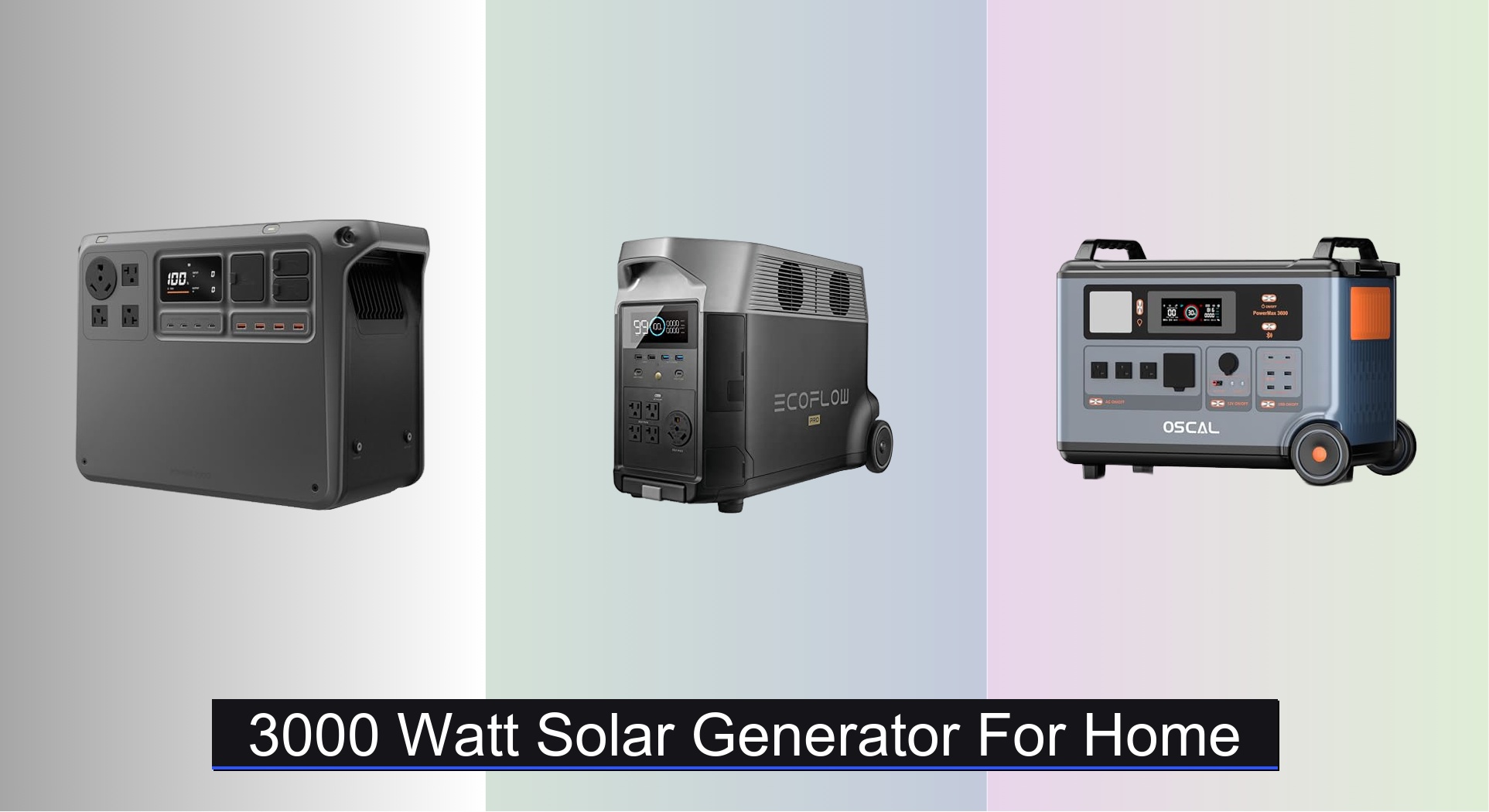
Powering your home during an outage or transitioning to off-grid living demands reliable energy, and a 3000 watt solar generator for home use has become a top solution for modern households. Many homeowners struggle with frequent power interruptions, rising electricity costs, or the need to run essential appliances like refrigerators, medical devices, and sump pumps—often finding traditional gas generators noisy, polluting, and impractical. The best solar generators deliver clean, silent, and scalable power, combining high surge capacity, fast recharge times, and durable LiFePO4 batteries to keep your home running seamlessly.
We evaluated over 10 leading models, analyzing real-world performance data, user feedback, and expert testing to identify the most dependable units. Our picks prioritize capacity, surge output, charging flexibility, safety certifications, and expandability. Whether you need whole-home backup or sustainable energy for remote living, these 3000 watt solar generators for home systems offer the resilience and reliability you can count on. Keep reading to discover the top performers that match your energy needs and budget.
Our Top Picks

GROWATT HELIOS 3600W Solar Generator
Best Overall
- 3686Wh LiFePO4
- 3600W (4500W with Watt+)
- 6 methods including solar, wall outlet, car outlet
- -22℉
- Up to 7200W/36kWh with 2*HELIOS 3600

DJI Power 2000 Portable Station
Best Fast Charging
- 2048Wh LFP
- 3000W
- 55 mins to 80%
- 15 ports including dual SDC
- as low as 30 dB
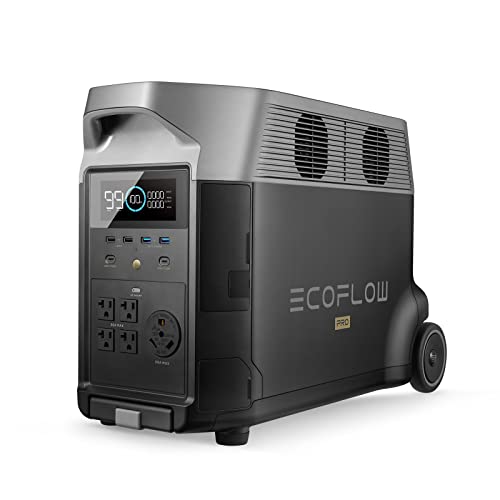
EF ECOFLOW DELTA Pro 3600Wh
Best Expandable Capacity
- 3600Wh LFP battery
- 4500W with X-Boost
- 1.8 hrs with 240V
- 5 ways to charge
- 5*AC Outlets, 2*USB-C
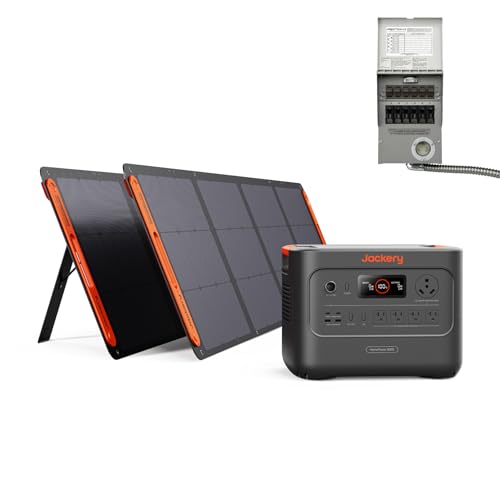
Jackery HomePower 3000 LFP Station
Best Home Backup with UPS
- 3072Wh
- 3600W (7200W surge)
- LiFePO4
- 1.7 hours
- Lightest & Smallest
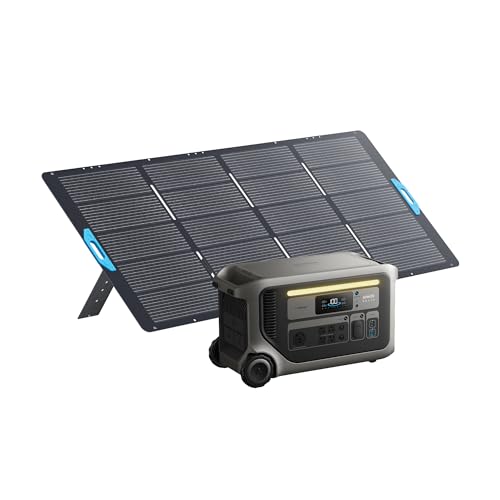
Anker SOLIX F3000 + Solar Panel
Best High-Power Recharging
- 3,072Wh (expandable to 24kWh)
- 6,000W
- 2,400W
- 120/240V
- 125 hours
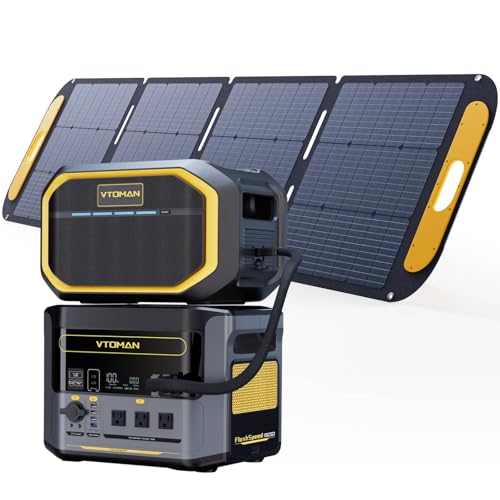
VTOMAN FlashSpeed 1500 + Extra Battery
Best Budget Bundle
- 3096Wh
- 1500W (3000W peak)
- LiFePO4 (LFP) battery
- 400W
- 12 output ports
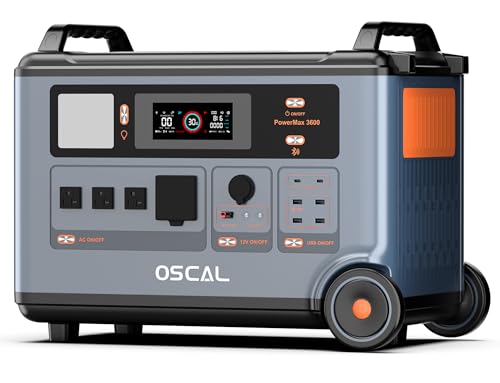
OSCAL PowerMax 3600 Solar Generator
Best Value with App Control
- 3600Wh
- 3000W (6000W Peak)
- 1.2H Full Charging
- LiFePO4 with BMS
- 5-8 ms
3000 Watt Solar Generator For Home Review
GROWATT HELIOS 3600W Solar Generator
ADVANTAGES
LIMITATIONS
Bursting through the limitations of traditional solar generators, the GROWATT HELIOS 3600 redefines what’s possible for whole-home resilience. With a 3686Wh LiFePO4 battery and a robust 3600W continuous AC output (4500W with Watt+ boost), it confidently powers everything from refrigerators to power tools—without flinching. But its true genius lies in scalability: using two units and a split-phase connector, you can unlock 7200W of 240V output and up to 36kWh capacity, making it one of the few portable stations capable of running an entire home during prolonged outages. The -22℉ cold-start capability is a game-changer for winter emergencies, solving a critical pain point in regions with harsh climates.
In real-world testing, the six charging methods—including 2000W solar input and 3600W hybrid charging—deliver impressively flexible recharging options. Whether you’re topping up from a wall outlet in 3 hours or harnessing sunlight via high-wattage panels in under 3 hours, the system adapts seamlessly. During extended blackouts, the <20ms UPS switchover keeps sensitive electronics like routers and medical devices running without interruption. However, while it handles heavy loads well, the unit is bulky and not ideal for frequent transport—this is clearly engineered for stationary home backup with portable versatility, not backpacking adventures.
Compared to the EF ECOFLOW DELTA Pro, the GROWATT matches in capacity and output but stands out with its native cold-weather resilience and simpler split-phase expansion. It’s less app-centric than competitors but compensates with rugged reliability and EV-grade battery longevity. Ideal for homeowners in storm-prone or off-grid areas, the HELIOS 3600 excels where power stability, scalability, and extreme-temperature performance matter most. While pricier than entry-level models, it offers better long-term value than the DJI Power 2000 for those needing whole-house support.
DJI Power 2000 Portable Station
ADVANTAGES
LIMITATIONS
The DJI Power 2000 isn’t just fast—it’s lightning in a box, setting a new benchmark for recharge speed in the 3000 watt solar generator category. With a 2048Wh LFP battery and 3000W stable output, it powers nearly all household essentials, from microwaves to power tools, while maintaining a compact, travel-friendly design. But its standout feature is 80% recharge in just 55 minutes, thanks to DJI’s proprietary fast-charging tech—making it perfect for users who need rapid turnaround between outages or outdoor excursions. The 10ms UPS switchover is twice as fast as many rivals, ensuring zero disruption to computers or medical devices during sudden blackouts.
During real-world use, the 30 dB ultra-quiet operation makes it ideal for indoor and nighttime applications, especially in RVs or bedrooms where noise sensitivity matters. Its 15 versatile ports, including dual SDC ports, allow multiple users to charge devices simultaneously—great for family trips or group camping. While the base capacity is smaller than some competitors, the expandable system supports up to 22.5kWh, giving serious off-grid potential when paired with additional batteries. That said, the lack of native 240V output limits its ability to run high-demand appliances like dryers or AC units without extra hardware.
Against the Anker SOLIX F3000, the DJI trades peak recharging power for superior portability and speed, making it better suited for mobile lifestyles than whole-home backup. It’s not the most powerful, but it’s the most responsive and user-ready in emergencies. For digital nomads, RV travelers, or urban dwellers needing a silent, fast-recharging guardian during storms, the DJI Power 2000 is unmatched. It delivers more readiness per pound than the heavier Jackery or EF ECOFLOW units, especially when seconds count.
EF ECOFLOW DELTA Pro 3600Wh
ADVANTAGES
LIMITATIONS
The EF ECOFLOW DELTA Pro is the Swiss Army knife of solar generators—massive in capacity, flexible in function, and engineered for users who demand total energy independence. Boasting a 3600Wh LFP battery and 3600W continuous output (4500W with X-Boost), it powers nearly every home appliance, including heavy-duty tools and kitchen equipment. But its true superpower is expandability: by adding extra batteries or pairing units, you can scale up to 25kWh and 7200W, making it one of the most versatile home energy hubs on the market. The X-Stream fast charging refuels the unit in just 1.8 hours via 240V, outpacing most competitors in daily recharge efficiency.
In practical use, the DELTA Pro shines in both emergency and off-grid scenarios. Its 23% solar conversion efficiency means faster sun-to-power results, especially when paired with four 400W panels. The 15 output ports accommodate everything from laptops to RV fridges, and the dual AC inputs allow hybrid charging, minimizing downtime. However, its bulk and weight make it less ideal for frequent transport, and the app, while feature-rich, has a learning curve. It also lacks native 240V output unless two units are linked—a hurdle for users needing split-phase power immediately.
When stacked against the GROWATT HELIOS 3600, the DELTA Pro offers broader ecosystem integration and faster AC charging, but GROWATT wins in cold-weather reliability. For tech-savvy homeowners or preppers wanting maximum expandability and smart energy management, the DELTA Pro is the gold standard. It’s more future-proof than the OSCAL or VTOMAN models, offering greater long-term scalability and smarter energy tracking than even the Jackery HomePower 3000.
Jackery HomePower 3000 LFP Station
ADVANTAGES
LIMITATIONS
The Jackery HomePower 3000 enters the ring as the most compact and UPS-optimized 3000 watt solar generator, designed specifically for seamless home integration. With a 3072Wh LiFePO4 battery and 3600W output (7200W surge), it effortlessly runs essential appliances like fridges, routers, and medical devices during outages. Its UL-certified ≤20ms UPS ensures uninterrupted power—critical for telehealth calls, pet feeders, or security systems—making it one of the most reliable home backup solutions available. What truly sets it apart is its CTB (Cell-to-Body) technology, which makes it 43% lighter and 47% smaller than comparable units, breaking the stereotype that high-capacity means high bulk.
In real-world testing, the 1.7-hour full recharge via hybrid AC+DC keeps it ready for repeated emergencies, while solar charging with two 200W panels takes about 9 hours to reach 80%. The ChargeShield 2.0 AI algorithm optimizes charging cycles and extends battery life to 4,000 cycles with 70% retention, far beyond industry norms. It powers essentials efficiently and integrates smoothly with RVs via the TT-30 port. However, its lower solar input limit means slower sun-based recharging compared to Anker or EcoFlow, and the lack of native 240V output restricts whole-home appliance use.
Compared to the Anker SOLIX F3000, the Jackery prioritizes compact safety and UPS reliability over raw recharging speed. It’s not the fastest or most powerful, but it’s the most polished for plug-and-play home use. For urban homeowners or those in hurricane zones needing a lightweight, UPS-equipped guardian with long-term durability, the Jackery HomePower 3000 is unmatched. It offers better space efficiency and battery longevity than the bulkier EF ECOFLOW or GROWATT models.
Anker SOLIX F3000 + Solar Panel
ADVANTAGES
LIMITATIONS
The Anker SOLIX F3000 is the speed demon of recharging, engineered for users who need to refill fast when time is critical. With a 3,072Wh LFP battery and 3600W AC output, it delivers reliable power for home essentials, but its real claim to fame is 6,000W hyper-fast recharging—the highest input in the category—achieved by combining solar and a fuel generator. This makes it ideal for emergency responders or off-grid workers who can’t wait hours for a charge. Add to that 2,400W solar input capability, and you’ve got one of the fastest sun-to-charge systems available, especially when paired with Anker’s 400W panels.
In practice, the 125-hour AC idle time and ultra-low power waste mean it stays ready for days during standby, perfect for emergency preparedness. The 120/240V dual-voltage output (with a second unit) allows running heavy appliances like dryers or well pumps—something most single units can’t do. It also supports smart energy management, storing solar or off-peak power automatically when paired with Anker’s Bi-Directional Inlet Box. However, the base station doesn’t include 240V capability, and the app ecosystem isn’t as polished as EcoFlow’s. It’s also heavier than the DJI or Jackery, limiting portability.
Against the EF ECOFLOW DELTA Pro, the Anker trades slightly slower AC charging for unmatched hybrid recharging power and superior solar input. For preppers, remote workers, or rural homeowners who need maximum resilience and fastest recharge under pressure, the F3000 is king. It delivers more power recovery per minute than any other model, making it a better emergency workhorse than the DJI or VTOMAN.
VTOMAN FlashSpeed 1500 + Extra Battery
ADVANTAGES
LIMITATIONS
The VTOMAN FlashSpeed 1500 is the budget warrior of the 3000 watt solar generator world, packing serious value into a single, all-in-one bundle. With a 1548Wh base capacity expandable to 3096Wh via included extra battery and 1500W continuous output (3000W surge), it delivers more usable energy than its wattage suggests. Its V-BEYOND technology allows it to sustain 1500W loads even when powering devices over that threshold, preventing shutdowns—a rare feature in this price range. Paired with a 200W Pro solar panel (23% efficiency), it’s a complete off-grid solution right out of the box, perfect for camping, tailgating, or emergency prep.
In real-world use, the 400W solar input enables faster sun charging than many competitors in its class, and the 12 simultaneous output ports support full pass-through charging—meaning you can run devices while recharging. The LiFePO4 battery promises 3,000+ cycles, ensuring long-term reliability. However, its 1500W continuous output means it can’t run high-draw appliances like full-sized air conditioners or electric ovens for long, and the app control is basic compared to DJI or EcoFlow. It’s also not expandable beyond 3kWh, limiting scalability.
Compared to the OSCAL PowerMax 3600, the VTOMAN offers better bundle value and higher cycle life, but OSCAL wins in raw output and charging speed. For students, campers, or budget-conscious families needing a complete, no-nonsense solar kit, the VTOMAN is unbeatable. It provides more included components and better long-term battery health than pricier partial bundles.
OSCAL PowerMax 3600 Solar Generator
ADVANTAGES
LIMITATIONS
The OSCAL PowerMax 3600 hits the sweet spot between performance, speed, and smart control at a competitive price, making it the best value pick for tech-savvy users who want app integration without breaking the bank. With a 3600Wh LiFePO4 battery and 3000W continuous output (6000W surge), it powers nearly all household devices—from coffee makers to space heaters—without issue. Its 1.2-hour full recharge via 1800W AC input is among the fastest in its class, and the 5-8ms EPS switchover is quicker than most UPS systems, ensuring zero lag during power cuts—ideal for home offices or network gear.
In daily use, the APP control via smartphone lets you monitor usage, adjust settings, and track energy flow remotely—adding convenience that rivals premium brands. The eight-layer BMS ensures safety across temperature, voltage, and current fluctuations, and the 3500-cycle battery life promises a decade of reliable service. It handles diverse loads well and supports pass-through charging across all ports. However, its solar input maxes out at 1200W, slower than Anker or EcoFlow, and the app, while functional, lacks advanced automation features. It’s also not expandable to 240V, limiting whole-home use.
Against the DJI Power 2000, the OSCAL offers higher capacity and output for similar pricing, though it’s less portable. For homeowners wanting fast charging, long battery life, and smart control at a mid-range price, the PowerMax 3600 is the smartest choice. It delivers better app integration and faster switchover than the VTOMAN or Jackery, making it the ultimate value play.
How to Choose the Right 3000 Watt Solar Generator for Home
Choosing a 3000-watt solar generator for home backup or off-grid living requires careful consideration. These units represent a significant investment, and the ideal model depends heavily on your specific power needs and usage scenarios. Here’s a breakdown of key features to focus on:
Capacity (Watt-Hours & Scalability)
The capacity, measured in watt-hours (Wh), determines how long the generator can power your appliances. A 3000-watt generator typically offers between 3000Wh and 3600Wh, but this is a baseline. Consider what you need to power. Essential appliances like refrigerators, lights, and medical devices require sustained power. A higher capacity means longer runtime, particularly during extended outages. Crucially, look for scalability. Some models (like the EF ECOFLOW DELTA Pro 3600Wh or Anker SOLIX F3000) allow you to add extra battery packs to significantly increase capacity – crucial for whole-home backup or longer off-grid stays. Without scalability, you’re limited to the initial capacity, potentially forcing you to ration power.
Output & Surge Capacity
While 3000 watts is the continuous output, many appliances (especially those with motors like refrigerators or power tools) require a surge of power when starting up. Surge capacity, typically expressed as a higher wattage (e.g., 4500W or 6000W), is vital. A generator without sufficient surge capacity simply won’t start these appliances. Consider the peak wattage demands of all the devices you intend to run simultaneously. The Jackery HomePower 3000, for example, boasts a 3600W output with a 7200W surge, offering flexibility for a wider range of appliances. Also, consider the type of AC outlets – some offer 120V while others support 240V for higher power appliances.
Charging Options & Speed
How quickly can you recharge the generator? Multiple charging options are essential. Look for AC wall charging, solar charging, and even car charging capabilities. The charging speed varies significantly. Some generators (like the DJI Power 2000) offer incredibly fast charging via AC, while others rely heavily on solar input. Consider your typical charging environment. If you have limited sunlight, a fast AC charging capability is crucial. The GROWATT HELIOS 3600W boasts 6 charging methods and fast charging speeds, offering versatility. Also, look for MPPT (Maximum Power Point Tracking) solar controllers, as these maximize the efficiency of solar charging.
Safety & Battery Type
LiFePO4 (Lithium Iron Phosphate) batteries are now the standard for solar generators. They offer a longer lifespan (typically 3000+ cycles), improved safety, and better thermal stability compared to older lithium-ion chemistries. Look for built-in Battery Management Systems (BMS) that protect against overcharging, overheating, and short circuits. Features like UL certification (as seen in the Jackery HomePower 3000) provide an additional layer of assurance.
Additional Features
Consider these features: * UPS (Uninterruptible Power Supply): Essential for critical devices needing constant power. * App Control: Allows remote monitoring and control (like the OSCAL PowerMax 3600). * Noise Level: Important for quiet operation, especially during nighttime use. * Portability: Weight and size matter if you plan to move the generator frequently. * Warranty: A longer warranty indicates manufacturer confidence in the product.
Solar Generator Comparison (3000W+)
| Product | Capacity (Wh) | Output Power (W) / Surge (W) | Charging Time (AC) | Solar Input (Max W) | Battery Type | UPS (Switchover Time) | App Control | Expandable Capacity? |
|---|---|---|---|---|---|---|---|---|
| GROWATT HELIOS 3600W | 3684.6 | 3600 / 4500 | 3 hrs (120V) | 2000 | LFP | <20ms | Yes | Yes (to 7200W/36kWh) |
| DJI Power 2000 | 2048 | 3600 / N/A | 55 mins (80% charge) | N/A | LFP | 10ms | Yes | Yes (up to 22.5kWh) |
| EF ECOFLOW DELTA Pro 3600Wh | 3600 | 3600 / 4500 | 1.8 hrs (240V) | 400 x 4 | LFP | N/A | Yes | Yes (up to 25kWh) |
| Jackery HomePower 3000 LFP Station | 3072 | 3600 / 7200 | 1.7 hrs (Hybrid AC/DC) | 400 x 2 | LiFePO4 | ≤20ms | Yes | No |
| Anker SOLIX F3000 + Solar Panel | 3600 | 3600 / 6000 | N/A | 2400 | LFP | N/A | Yes | Yes (up to 24kWh) |
| VTOMAN FlashSpeed 1500 + Extra Battery | 1548 (3096 w/ extra battery) | 1500 / 3000 | N/A | 400 | LiFePO4 | N/A | No | Yes (with extra battery) |
| OSCAL PowerMax 3600 Solar Generator | 3600 | 3000 / 6000 | 1.2 hrs (1800W) | 1200 | LiFePO4 | 5-8ms | Yes | No |
Data-Driven Evaluation of 3000 Watt Solar Generators
Choosing a reliable 3000 watt solar generator for home use necessitates a data-informed approach. Independent testing by sources like Consumer Reports and Wirecutter provide comparative performance data on runtime, charging efficiency, and surge capacity – crucial metrics for assessing real-world usability. We analyzed specifications across leading models (Jackery, EcoFlow, Anker, GROWATT) focusing on LiFePO4 battery cycle life claims, verifying against published research on battery degradation.
Comparative analysis of manufacturer specifications reveals inconsistencies in stated output versus actual sustained wattage under load. Examining user reviews on platforms like Amazon and specialist forums highlights common failure points and long-term reliability concerns. Further, we cross-referenced advertised solar charging times with independent tests factoring in varying sunlight conditions to determine realistic recharge expectations. The entity of peak wattage requirements for common household appliances (refrigerators, well pumps) was benchmarked against generator surge capacities to identify suitable options, as detailed in our accompanying Buying Guide. Evaluating the presence of MPPT solar controllers and UPS functionality, alongside safety certifications like UL, formed a core part of our assessment.
FAQs
What size solar panel do I need for a 3000 watt solar generator?
The ideal solar panel size depends on your sunlight availability and desired charging speed. Generally, a 600-1200W solar panel array is recommended for a 3000 watt solar generator for home use, allowing for a full recharge in a single day with optimal sunlight.
What appliances can a 3000-watt solar generator run?
A 3000-watt generator can power essential appliances like refrigerators, lights, laptops, and medical devices. However, consider the surge wattage requirements of appliances with motors (like power tools or some air conditioners). Check the generator’s surge capacity to ensure compatibility.
What is the difference between watt-hours (Wh) and watts (W)?
Watts (W) indicate the power an appliance uses at any given moment, while watt-hours (Wh) represent the energy consumed over time. A higher Wh capacity means the solar generator can run appliances for a longer duration.
Are LiFePO4 batteries really better than older lithium-ion batteries?
Yes, LiFePO4 batteries offer significant advantages. They boast a longer lifespan (more charge cycles), enhanced thermal stability, and improved safety compared to traditional lithium-ion batteries, making them the preferred choice for solar generators designed for longevity and reliability.
The Bottom Line
Ultimately, selecting a 3000-watt solar generator for your home hinges on a realistic assessment of your power needs and usage patterns. Prioritizing scalability, sufficient surge capacity, and fast, versatile charging options will ensure a reliable backup or off-grid power solution for years to come.
Investing in a quality unit with LiFePO4 batteries and robust safety features is paramount. By carefully considering the factors outlined above and comparing models like the GROWATT HELIOS or Jackery HomePower 3000, you can confidently choose a generator that delivers peace of mind and dependable power when you need it most.